
How Do I Choose the Best Packing Table for My Needs?
Introduction
Choosing the right packing table isn't just about picking a flat surface to pack orders—it's about improving workflow, reducing fatigue, supporting sustainability, and enabling scale. Whether you’re setting up a small e-commerce fulfillment area or upgrading a high-volume warehouse, your packaging table impacts speed, accuracy, and employee satisfaction.
In this blog, we’ll explore the key factors you should consider when buying a packing table, along with trending, related subtopics: ergonomics, workflow compatibility, automation readiness, material quality, and space efficiency. We’ll also include a helpful comparison table to guide your selection.
1. Ergonomics and Worker Comfort
Why It Matters:
Poor ergonomics lead to repetitive strain injuries, fatigue, and slower packing times.
What to Look For:
- Height-adjustable surfaces to fit different body types
- Footrests and anti-fatigue mats for longer shifts
- Accessible tool placements to reduce unnecessary motion
From a user’s perspective, comfort = efficiency. If your team is comfortable, they’ll work faster and make fewer errors.
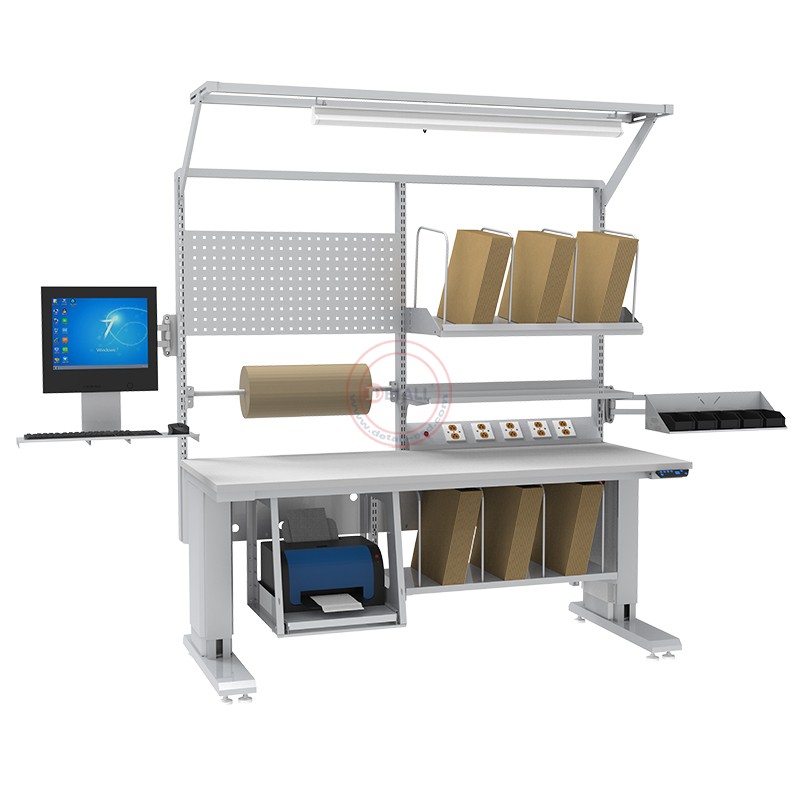
2. Workflow Compatibility
Why It Matters:
Your packaging table should support your current and future packing processes—not get in the way.
What to Consider:
- Does the table integrate with your barcode scanners, printers, and scales?
- Is there enough space for typical orders, packing materials, and documentation?
- Can the table adapt to high-volume or seasonal peaks?
Tables that can be customized for your packing style (batch, single-item, or kit packing) will save time and reduce chaos.
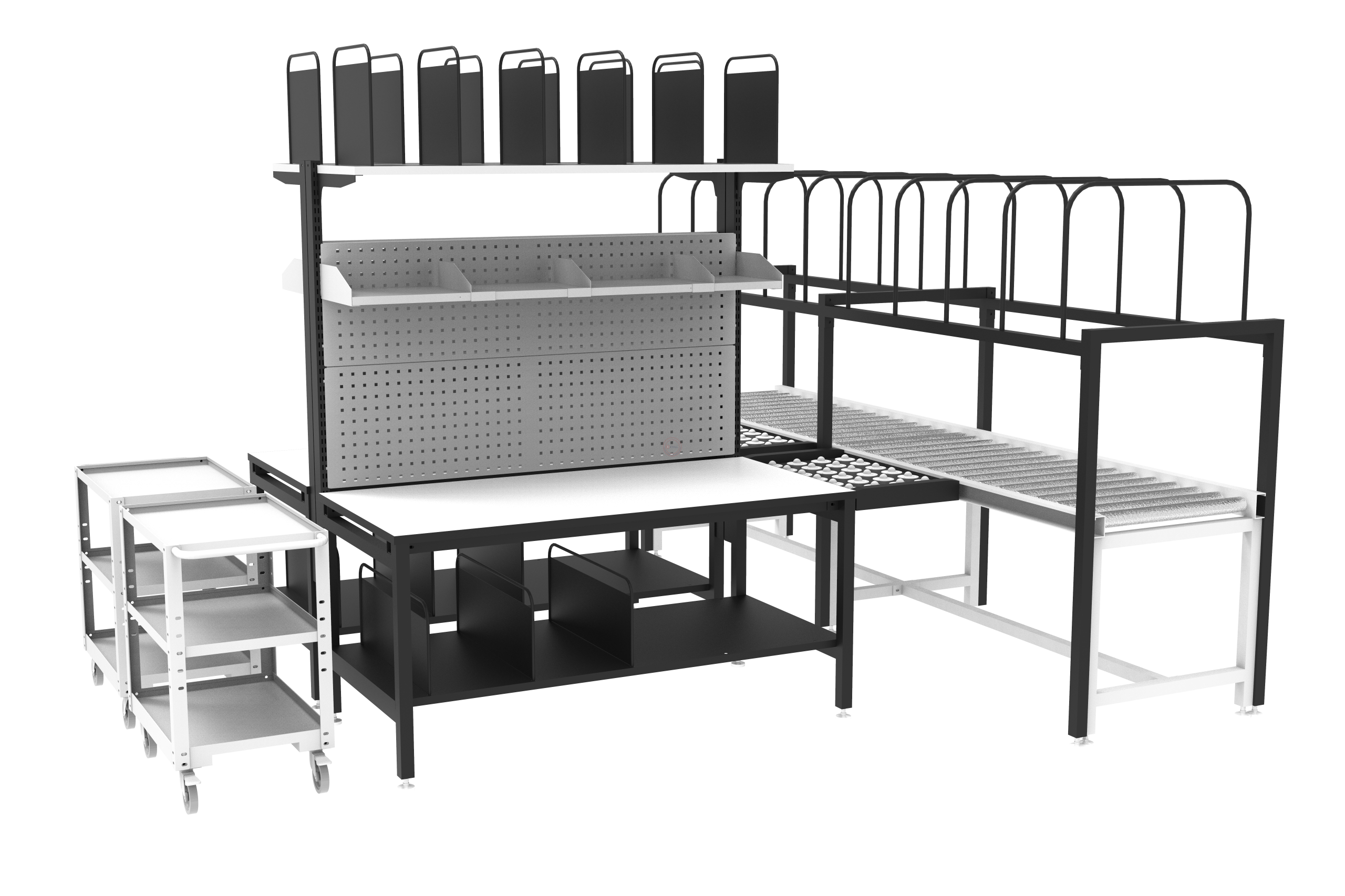
3. Automation and Technology Integration
Why It Matters:
Modern warehouses benefit from smart packaging systems, and your table should support that.
Smart Features to Consider:
- Built-in power outlets or USB ports
- Scanner mounts or tablet holders
- Software integration with WMS or shipping platforms
If you plan to scale or automate, choose a table that can grow with your tech stack.
4. Material Durability and Surface Type
Why It Matters:
A table that breaks or stains easily costs more in the long run and affects productivity.
Best Practices:
- Stainless steel or laminated wood surfaces for durability
- Non-slip or anti-static materials for sensitive items
- Reinforced legs for heavy package loads
Make sure to match table strength and surface to the types of products you ship.
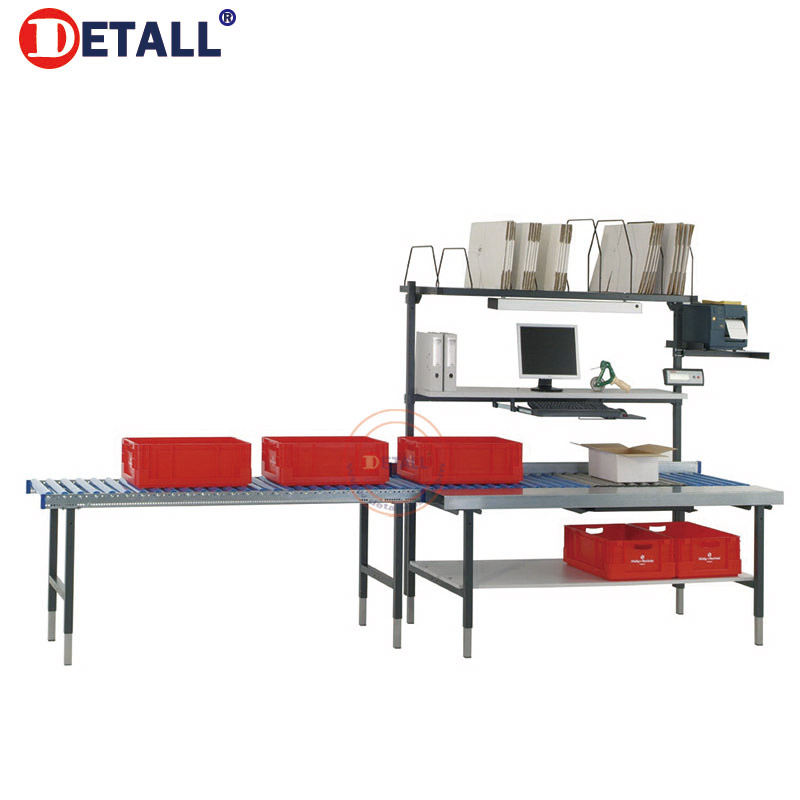
5. Space Efficiency and Modularity
Why It Matters:
Space is a premium in most packing areas. A bulky or non-modular table can block flow.
User Needs to Think About:
- Will it fit in your space without restricting movement?
- Can it be reconfigured, expanded, or folded when not in use?
- Are there add-on modules like drawers, shelves, or lighting?
A modular setup gives you future flexibility as your packing needs evolve.
Packing Table Buying Guide
| Consideration | Why It Matters | User Tip |
|---|---|---|
| Ergonomic Design | Reduces injury, boosts efficiency | Look for adjustable height and soft edge designs |
| Workflow Compatibility | Supports your packing style | Choose layouts that match your order flow |
| Automation Readiness | Prepares for scaling and smart tools | Pick tables with ports, mounts, or software access |
| Material & Build Quality | Affects durability and safety | Go for industrial-grade surfaces and sturdy frames |
| Space & Modularity | Adapts to physical constraints | Use foldable or modular setups to maximize space |
Final Thoughts
Choosing the right packaging table is an investment in your warehouse's long-term success. Don’t just think about what works today—consider what your future needs will look like.
The ideal table should fit your space, support your workflow, enhance employee comfort, and allow for growth through modular design or smart technology integration.


